
Geomembrane sheets for landfills, canals, ponds and lagoons
HDPE and LDPE geomembrane liners supplied to your design thickness, with on-site heat-sealed jointing by our technicians.

Overview
What you need to know
A geomembrane is an impermeable sheet laid in the ground to hold water in or keep contamination out. Civil contractors, power stations, mines and municipalities use geomembranes in landfill cells, ash ponds, sewage lagoons, canals and reservoirs.
We supply HDPE and LDPE lining sheets from 400 to 1,500 micron for containment work and joint them on site. For engineered projects, send the specification so we can confirm material grade and test documents.
What we offer
- 400 to 1,500 micron lining sheet
- HDPE or LDPE to suit the design
- On-site heat-sealed jointing
- Canal, reservoir and lagoon linings
- Landfill and ash pond containment
Materials for this job
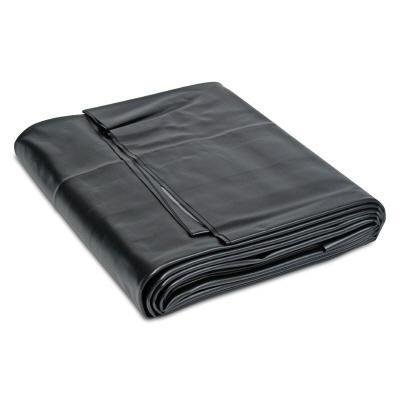
HDPE and LDPE pond liners for farm ponds, fish ponds and water-harvesting tanks — with leak-proof heat-sealed joints made on site by our technicians.
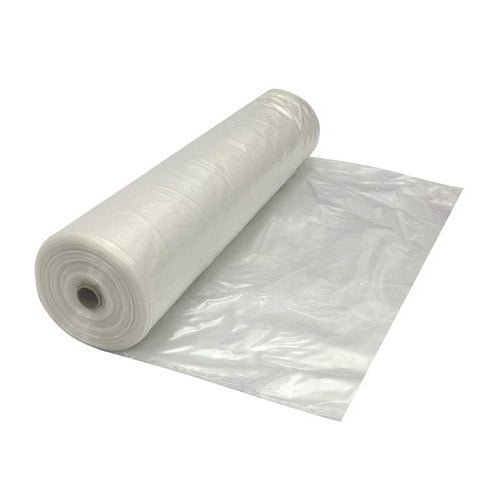
Pin-hole-free polythene sheets extruded from virgin low-density polyethylene — the most versatile waterproof covering for goods, sites and packing.
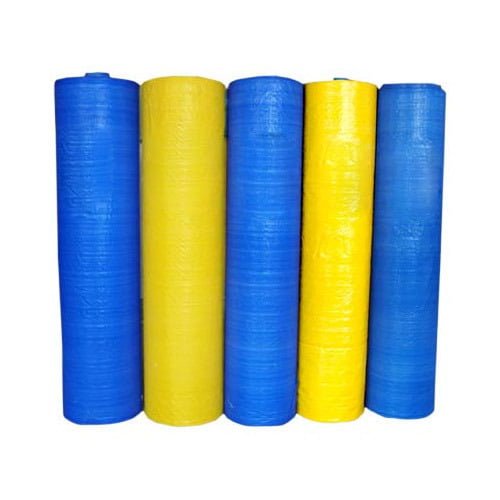
Light, tough and waterproof HDPE tarpaulins, heat-sealed to your size, or HDPE fabric rolls if you prefer to fabricate covers yourself.
Questions buyers ask
Short answers to common questions. Ask us anything that is not covered here.
What is a geomembrane sheet used for?
Lining landfills, ash ponds, effluent lagoons, canals, reservoirs and farm ponds — anywhere liquid must be held in or kept out of the soil.
HDPE or LDPE geomembrane — which should I use?
HDPE is stiffer with better chemical resistance; LDPE is more flexible and follows uneven ground more easily. Your design consultant's specification decides.
Do you install geomembranes?
We joint sheets on site with heat-sealing equipment. Large projects are planned with the main contractor.
What information do you need for a quote?
Area or drawings, thickness, material type and site location.
Tell us what you need to cover.
Share the size, quantity and where it will be used. We reply with a material suggestion and a quotation.